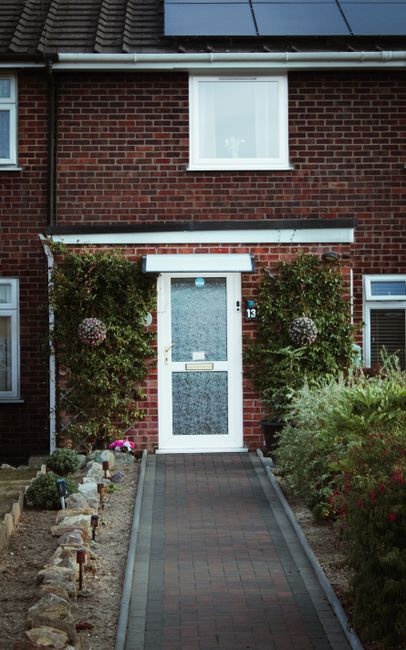
Barnes Bridge Road Mortlake gardeners for terrace front gardens
If you live on Barnes Bridge Road or nearby in Mortlake, you already know the front of a terrace does a lot of heavy lifting. It is the first thing people see, the bit that makes a house feel cared for, and often the smallest outdoor space to get right. The good news? With the right approach, even a narrow terrace front garden can feel tidy, welcoming and quietly distinctive. This guide on Barnes Bridge Road Mortlake gardeners for terrace front gardens walks through what matters, how it works in practice, and what to expect if you want a front garden that looks good without becoming a weekly chore.
To be fair, front gardens on terraces are rarely generous. They deal with foot traffic, bins, shade, awkward paving, boundary lines and that classic London mix of good intentions and limited time. But that does not mean they have to feel cramped or dull. A well-planned scheme can make a small frontage look brighter, neater and much more usable. And yes, it can still feel like yours, not just a patch of green trying its best.
In the sections below, you will find practical ideas, local considerations, a simple step-by-step process, common mistakes to avoid, and a realistic checklist you can use before you speak to a gardener. If you are comparing options, there is also a comparison table later on, because sometimes the decision is easier when you can see it laid out plainly.
Why Barnes Bridge Road Mortlake gardeners for terrace front gardens Matters
A terrace front garden is not just a decorative strip. It affects kerb appeal, day-to-day convenience, privacy, drainage and even how you feel when you come home. On streets like Barnes Bridge Road, where homes often sit close together, the front garden becomes a visual buffer between public pavement and private life. That buffer can be soft and leafy, or practical and minimal, but it should still work hard.
The point is not to overcomplicate it. The point is to make the space feel intentional. A front garden with overgrown shrubs, patchy lawn edges or tired paving can make the whole property look more neglected than it really is. The reverse is also true. A neat, well-composed frontage gives a sense of care straight away. You notice it when you walk past. You feel it when you unlock the gate.
For terrace houses, there are usually a few recurring challenges:
- limited width and shallow planting beds
- shared boundaries and neighbour visibility
- shade from the house or neighbouring buildings
- hard surfaces that dominate the space
- keeping maintenance manageable all year
That is why local knowledge matters. Barnes Bridge Road Mortlake gardeners for terrace front gardens are dealing with these exact conditions all the time: tight footprints, mixed light, urban dust, and the need for plants that do not instantly look sorry for themselves after one hot week or a cold snap. It sounds obvious, but the best front gardens in terrace streets are usually the ones that are easiest to maintain, not the ones with the most plants.
Expert summary: A good terrace front garden should be attractive at a glance, practical in wet weather, simple to maintain, and proportioned to the house. If it is trying too hard, it usually becomes a burden.
How Barnes Bridge Road Mortlake gardeners for terrace front gardens Works
In practice, the process usually starts with a look at what is already there. That means checking the width of the frontage, existing paving, beds, boundary walls, access points, drainage patterns and how much sun the space actually gets across the day. Morning light and late afternoon shade can lead to very different planting choices, and a garden that looks brilliant in one season may struggle in another if those basics are ignored.
A sensible gardener will usually break the project into a few stages:
- Assessment: measure the space, note problem areas, and decide what must stay or go.
- Clearance or tidying: remove dead growth, lift debris, and sort the obvious clutter first.
- Soil and structure check: see whether the beds need fresh soil, edging, or better drainage.
- Planting plan: choose shrubs, climbers, perennials or pots that suit the light and maintenance level.
- Hard landscaping decisions: repair paths, edging, or decorative surfaces where needed.
- Finishing and maintenance plan: agree how often trimming, weeding and seasonal tidy-ups will be needed.
There is a real difference between a one-off tidy and an ongoing front-garden plan. One makes the place look better for a week. The other keeps it looking composed through rain, leaf fall and the occasional chaos of everyday life. In Mortlake, where terrace homes often sit in a mix of traditional and updated streetscapes, that long view matters more than people think.
If you are also considering broader garden changes, it can help to look at a wider services overview so the front garden does not get treated as an isolated afterthought. Sometimes a front space works best when it relates to the back garden, side access or overall maintenance rhythm. Not always, but often enough.
Key Benefits and Practical Advantages
A well-managed terrace front garden does more than look presentable. It quietly improves the whole feel of the property. And unlike a dramatic redesign, the improvements do not have to be expensive or flashy to matter.
- Better first impression: A tidy frontage makes a home feel cared for before anyone even reaches the door.
- Less day-to-day hassle: Clear edges, sensible planting and clean paths reduce the time spent fighting weeds and mess.
- More usable space: Even a small front garden can hold seating, planting, screening or storage-friendly design choices if planned properly.
- Improved privacy: The right plants can soften street views without blocking light or making the space feel closed in.
- Seasonal interest: Good plant selection keeps the garden looking alive across different months, not just in spring.
- Better fit for terrace living: Small spaces need restraint. A restrained scheme often looks more elegant than a crowded one.
One practical advantage that gets overlooked is predictability. A good front garden design gives you a sense of order. You know what needs trimming, what needs watering, and what can be left alone. That is a relief in a busy household. Nobody wants to spend Saturday morning wrestling one over-enthusiastic shrub that seems to have a personal grudge against the path.
There is also the curb-side value of consistency. On a terrace street, one house with a confident front garden can lift the feel of nearby properties too. It sounds small, but streets are made of small things. Clean lines, balanced planting and a healthy edge can make a noticeable difference.
Who This Is For and When It Makes Sense
This kind of gardening support is a strong fit if your front garden feels cramped, overgrown, patchy or difficult to keep under control. It also makes sense if you are new to a property and want to reset the space properly rather than just trimming around the edges and hoping for the best.
It is especially useful for:
- terrace homeowners who want a polished entrance without a full redesign
- busy households that need low-maintenance planting
- landlords preparing a property for viewings or long-term upkeep
- older residents who want the front garden to stay manageable
- new owners looking to improve the frontage before making bigger decisions
- people who want privacy screening without making the house look hidden or shut in
Sometimes the need is obvious. A path is cracked, the borders are weedy, and the hedge has become a small green wall. Other times, the garden is technically fine but just not quite right. Maybe it feels too bare in winter. Maybe the planting is too scattered. Maybe the bins dominate the view. You know the feeling when something is not exactly broken, but it is definitely not working? That.
If you are comparing gardeners, it is worth checking how they handle pricing, scope and expectations before any work starts. The page on pricing and quotes can help you understand how jobs are usually scoped, even if your own project ends up being fairly simple. Clear pricing conversations save a lot of awkwardness later. Nobody enjoys the mystery-bill experience.
Step-by-Step Guidance
If you want to improve a terrace front garden in Mortlake, it helps to think in stages rather than trying to solve everything at once. Here is a practical approach that works well for compact spaces.
1. Start with a clear view of the space
Stand at the gate, then at the front door, and look back at the whole garden. What do you notice first? Is it the path, the bins, a tired shrub, or just a sense that the space has no shape? That first impression tells you where to focus.
2. Decide what should stay
Not everything needs replacing. Good structure is valuable. A healthy bay, a mature evergreen, a decent brick edge or a useful climbing frame can all be worth keeping. Removing too much at once can leave a small front garden feeling strangely exposed.
3. Deal with the basics before planting
Weeds, dead material, compacted soil and poor edging should be tackled before any new planting goes in. Otherwise you are decorating a problem instead of solving it. A front garden that drains badly or has thin, tired soil will keep asking for attention.
4. Build around height and balance
In a terrace setting, height matters. Too much low planting can look flat. Too many tall shrubs can block windows or overpower the entrance. The sweet spot is usually a mix of low, medium and one or two stronger vertical elements, such as a small tree, a climber or a clipped evergreen feature.
5. Choose plants for the actual conditions
This is where a lot of gardens go wrong. Plants are chosen for how they look in a nursery, not how they will cope in a narrow front garden beside a busy street. Match the planting to sun, shade, exposure and maintenance level. It is boring advice, perhaps, but it works.
6. Keep circulation in mind
People need to get in and out comfortably. The gate should open properly. The path should feel obvious. Any overgrowth near the entrance will quickly make the whole frontage feel smaller than it is. Small space, big effect.
7. Plan the maintenance rhythm
Even the neatest front garden needs a rhythm. Decide what happens in spring, summer, autumn and winter. It might be light pruning, deadheading, mulching, leaf clearance or a quick edge trim. The best gardens are not maintained by magic. Sadly.
Expert Tips for Better Results
In our experience, the front gardens that age best are the ones designed with restraint. That does not mean plain. It means every plant and feature has a reason to be there. A terrace frontage is often too small for decorative clutter, so every decision needs a bit of discipline.
Here are a few practical tips that make a genuine difference:
- Repeat materials or plant forms: Two or three repeated colours or shapes often look calmer than a mixed collection of everything available.
- Use evergreens carefully: A few well-placed evergreens hold structure through winter, especially when deciduous plants look sparse.
- Think in layers: Low ground-level planting, mid-height structure and one taller focal point can make a narrow garden feel more complete.
- Leave breathing room: Empty space is not wasted space. In a terrace garden, a little visual pause can make the rest look smarter.
- Use mulch where suitable: It helps retain moisture, suppress weeds and tidy the look of the beds.
- Keep pruning light but regular: Frequent small cuts are usually better than one dramatic rescue operation later.
A small sensory detail matters too: if you step outside on a damp morning and your front garden smells earthy, clean and a bit green, that is often a sign it is being managed well. Freshly watered containers, clipped hedges and clean paving all contribute to that feeling. You may not consciously notice it every day, but you feel it.
If privacy is part of the brief, it can help to explore planting ideas that create shelter without shutting the street out completely. There is some useful reading on artfully placed tall potted privacy plants, especially if you want screening that still feels light and elegant rather than bulky.
Common Mistakes to Avoid
Small gardens are unforgiving in a funny way. You can get away with a lot in a large plot. In a terrace front garden, every error is visible from the pavement, which is why a few common mistakes crop up again and again.
- Overplanting: Cramming in too many plants makes maintenance harder and can turn a small space into visual noise.
- Ignoring the path: A beautiful border is pointless if the path is awkward, slippery or half hidden.
- Choosing thirsty plants for exposed spots: They will struggle and look tired quickly.
- Letting one species dominate: A single shrub can become too large for the space if it is not managed early.
- Forgetting winter: A garden that looks lovely in June can feel bare and sad by January if there is no structure.
- Skipping proper edging: Untidy edges make even healthy planting look unfinished.
- Trying to mimic a big-country-garden style: On a terrace frontage, that usually reads as messy rather than charming.
Another mistake is treating the front garden as separate from the rest of the property. If the back garden is modern and crisp but the front is tired, the house can feel oddly split in two. Consistency helps. Not identical, just coherent.
And one more thing: do not assume that low maintenance means no maintenance. It never means that. It just means manageable maintenance, which is a much better goal.
Tools, Resources and Recommendations
Whether you are doing the work yourself or hiring help, the right tools and materials make a front garden much easier to manage. You do not need an enormous kit. In fact, a compact, well-chosen set is usually better.
| Need | Useful option | Why it helps |
|---|---|---|
| Weeding and tidying | Hand fork, hoe, secateurs | Makes it easier to clear beds without damaging nearby plants |
| Edging and neat lines | Spade, edging tool, string line | Helps create a sharp, professional finish |
| Plant health | Compost, mulch, watering can or hose with restraint | Improves soil and keeps new planting settled |
| Small-space planting | Containers, shallow-rooting plants, climbers | Works well where ground space is limited |
| Longer-term upkeep | Pruning tools, gloves, sweepers | Keeps the space manageable between visits |
If you are looking for a broader maintenance plan rather than one-off tidy-ups, the site's garden maintenance page is a useful place to understand recurring care. For more substantial clear-outs, garden clearance may be relevant if the frontage has become heavily overgrown or cluttered. The right service depends on the starting point, not just the desired finish.
And if your front garden is being reworked alongside other outdoor improvements, you may find the broader landscaping and landscape gardening pages useful for thinking about structure, surfaces and planting together rather than in isolation.
Law, Compliance, Standards, or Best Practice
Most front-garden work on a terrace is straightforward, but there are still a few practical and legal points worth keeping in mind. The safest approach is to assume that anything affecting boundaries, access, public pavements, drains, trees or neighbouring properties should be considered carefully before work starts.
For example, if a front hedge or tree is shared or close to a boundary, pruning should be done with care and in a way that avoids disputes. If roots, fences or paving are involved, it is wise to confirm what belongs to whom before making structural changes. In a terrace setting, that simple step can save time and uncomfortable conversations. Nobody needs a boundary drama over a rosemary bush.
Best practice also means using insured, safe working methods, especially where tools, ladders or heavier clearance work are involved. A professional gardener should be able to explain how they work safely, how waste is handled, and what happens if the job reveals hidden issues such as unstable paving or poor drainage. If you want reassurance on that side of things, it is sensible to review health and safety policy information and insurance and safety arrangements before work begins.
Recycling and responsible disposal matter too. Green waste, soil and old planting materials should be handled properly, especially when a small front garden produces more waste than expected after a tidy-up. The page on recycling and sustainability is a sensible reference point if you care about keeping the project cleaner and more responsible from start to finish.
One more practical note: if you are arranging work in stages, get clear agreement on what is included. Is it planting only? Clearing plus planting? Ongoing maintenance? A good brief avoids confusion and helps everyone stay on the same page. Simple, but not always simple enough in real life.
Options, Methods, or Comparison Table
Not every terrace front garden needs the same level of intervention. Some only need a refresh. Others need a full reset. Here is a straightforward comparison to help you think it through.
| Approach | Best for | Typical outcome | Maintenance level |
|---|---|---|---|
| Light tidy-up | Reasonably healthy garden that looks tired | Cleaner edges, pruned shrubs, improved presentation | Low |
| Planting refresh | Frontage with good structure but weak planting | Better balance, stronger colour and seasonal interest | Medium |
| Full redesign | Problem spaces, awkward layouts, overgrown beds | New structure, new planting plan, more coherent look | Medium to higher at first, then manageable |
| Maintenance-led care plan | Busy homeowners who want consistency | Garden stays tidy through regular visits | Low to medium, depending on schedule |
For many Barnes Bridge Road terrace homes, the sweet spot is somewhere between a planting refresh and a maintenance-led plan. You do not always need a full redesign. Sometimes the best result comes from clearer lines, stronger plant choice and a bit of disciplined trimming. A little less drama, more calm.
Case Study or Real-World Example
Imagine a typical terrace front garden on Barnes Bridge Road: narrow paving at the entrance, a couple of tired shrubs near the window, a small border that has become more weed than bed, and a gate that is slightly hidden by overgrowth. Nothing disastrous. Just a bit neglected.
The work begins with clearance. Dead stems go, weeds come out, and the border is cut back to reveal the actual shape of the space. That alone makes a difference. Then the soil is improved, the path edge is cleaned, and the planting is simplified. Instead of five different shrubs competing for attention, the garden gets a smaller number of better chosen plants with enough space to breathe.
A climber is added near a boundary for vertical interest. A couple of containers soften the entrance without blocking movement. The path gets a crisp edge. By the end, the house looks more open and considered, but not overdesigned. It still feels lived in.
The interesting bit is what happens afterwards. The homeowner stops describing the front as "the bit I need to sort out one day" and starts noticing it every time they come back from the station or the shops. That shift, honestly, is often the real win. The garden is no longer a task hanging over them. It just works.
Practical Checklist
Use this before you book work or start planning your own terrace front garden project.
- Measure the frontage and note any narrow points
- Check how much sun or shade the space gets during the day
- Identify what should stay, what should go, and what is simply overgrown
- Look for drainage issues, puddling or compacted soil
- Decide whether you want a tidy-up, a refresh or a full redesign
- Think about privacy, screening and street visibility
- Check access, gate width and path usability
- Choose plants that suit the conditions, not just the look
- Plan for seasonal maintenance, not only the first reveal
- Confirm scope, waste removal and timing before the job begins
If you can tick most of those off, you are already ahead of the game. Really. A lot of good garden work starts with being honest about what the space needs and what your household can realistically maintain.
Conclusion
Barnes Bridge Road Mortlake gardeners for terrace front gardens are not just about making a frontage look neat. They are about making a small urban space feel considered, manageable and quietly attractive in daily life. The best results usually come from clear structure, sensible planting and maintenance that fits the rhythm of the home rather than fighting it.
If your front garden feels underused, overgrown or simply awkward, the next step does not have to be dramatic. Start with the basics, get the shape right, and build from there. That approach nearly always wins. It is steadier, calmer and, in the long run, far easier to live with.
Get a free quote today and see how much you can save.
And if you are still deciding, that is fine too. A good front garden often starts with one honest look at the space and one practical decision. The rest has a habit of falling into place.
Frequently Asked Questions
What do Barnes Bridge Road Mortlake gardeners for terrace front gardens usually do?
They typically handle tidying, pruning, planting, edging, clearance and ongoing maintenance for compact front gardens. In terrace settings, the focus is usually on making the space neater, easier to manage and better suited to the house rather than creating a high-maintenance display.
How often should a terrace front garden be maintained?
It depends on planting and exposure, but many terrace front gardens benefit from light attention every few weeks in the growing season and a more thorough tidy in spring and autumn. If the space includes fast-growing shrubs or lots of containers, it may need more frequent visits.
Is a full redesign always necessary?
No. Quite often, a terrace front garden only needs a smart refresh: clearer edges, healthier soil, better plant choices and a few structural improvements. A full redesign is more useful when the layout, drainage or planting is fundamentally not working.
What plants work well in narrow front gardens in Mortlake?
Plants that suit the available light, need moderate care and hold their shape tend to work best. Evergreen structure, compact shrubs, climbers and container planting are often strong options, though the exact choices depend on sun, shade and the look you want.
Can a small front garden still provide privacy?
Yes. Privacy in a small space usually comes from careful layering rather than dense screening. Tall potted plants, a modest climber or a well-placed shrub can soften views without making the frontage feel enclosed.
How do I know if my front garden needs clearance work?
If weeds, dead growth, broken edging or neglected shrubs are hiding the actual shape of the garden, clearance work is probably the right first step. It is also useful when you want to reset the space before new planting or maintenance begins.
What should I ask before hiring a gardener for the front garden?
Ask what is included, how waste will be handled, whether the work is a one-off or ongoing plan, and whether they are insured for the type of job. It also helps to ask how they would approach the space if they were starting from scratch.
Will front garden work affect neighbours or the pavement?
It can, especially if hedges, roots, overhanging branches or boundary features are involved. Good practice is to check boundaries carefully and avoid blocking access or encroaching onto shared areas. If in doubt, discuss it before work starts.
How much maintenance does a terrace front garden usually need after improvement?
That depends on the design. A simple, restrained planting scheme will usually need less work than a dense border full of mixed species. The more clearly the space is planned, the easier it tends to stay under control.
Can I combine front garden work with other outdoor improvements?
Absolutely. In fact, that often gives the best result. Front garden work can be coordinated with wider garden maintenance, landscaping or paving adjustments so the whole property feels more cohesive.
What is the biggest mistake people make with small front gardens?
The biggest mistake is usually trying to fit too much into the space. Overplanting, overly decorative features and poor path planning can make a small frontage feel even smaller. Simplicity usually works better than bravado.
How do I keep a terrace front garden looking good through winter?
Focus on structure, not just flowers. Evergreens, clean lines, tidy edging and a few strong shapes help the garden hold its form when seasonal colour fades. Winter is where good design quietly earns its keep.