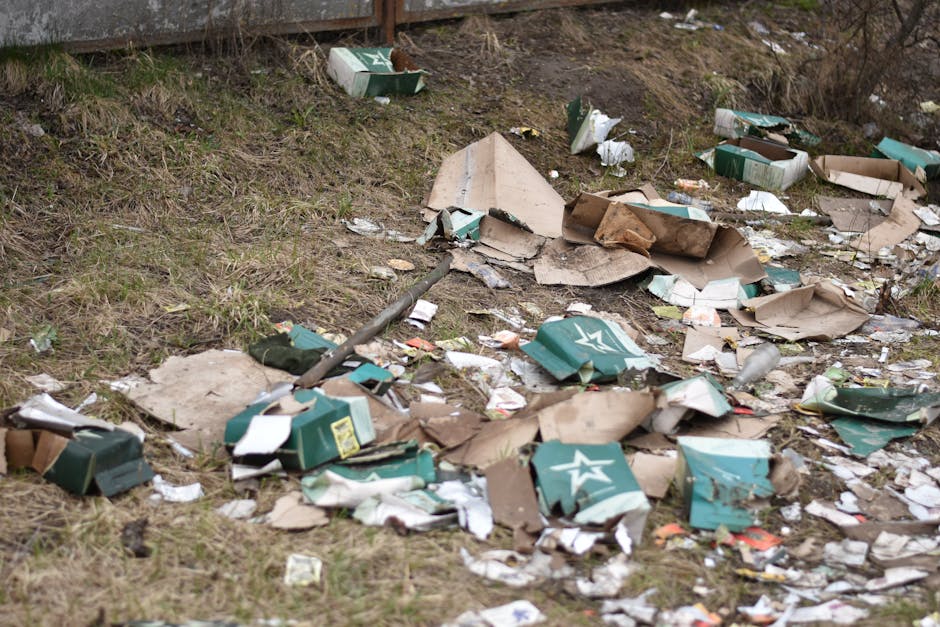
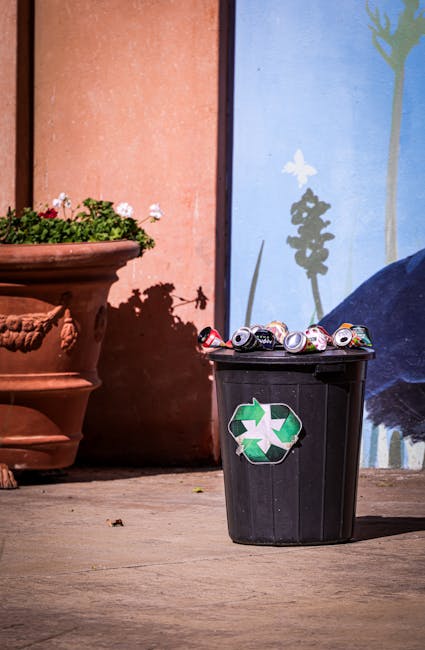
Riverside Mortlake green garden recycling guide for Thames homes
If you live by the Thames in Mortlake, you already know the rhythm of garden life can change fast. One week it is leaf fall, the next it is a heap of prunings, lawn cuttings, and that half-finished corner you keep meaning to sort out. This Riverside Mortlake green garden recycling guide for Thames homes is here to make the whole process calmer, cleaner, and a lot more practical. Whether you want to reduce waste, keep your outdoor space healthier, or simply avoid the familiar "where do I put all this green stuff?" problem, the right approach saves time and stress.
In our experience, the best garden recycling plans are not complicated. They are consistent. A little sorting, a few smart habits, and sensible disposal choices go a long way. And yes, you can still enjoy a tidy garden without making every weekend feel like a shift at the compost depot.
Table of contents
- Why Riverside Mortlake green garden recycling guide for Thames homes matters
- How Riverside Mortlake green garden recycling guide for Thames homes works
- Key benefits and practical advantages
- Who this is for and when it makes sense
- Step-by-step guidance
- Expert tips for better results
- Common mistakes to avoid
- Tools, resources and recommendations
- Law, compliance, standards, or best practice
- Options, methods, or comparison table
- Case study or real-world example
- Practical checklist
- Conclusion
- Frequently asked questions
Why Riverside Mortlake green garden recycling guide for Thames homes matters
Garden waste looks harmless when it is in a pile, but it becomes messy surprisingly quickly. Wet grass clumps together. Twigs take up more room than you expect. Old soil, cut stems, and broken plant material can turn a decent-sized bin corner into a soggy nuisance by Tuesday morning. For Thames-side homes in Mortlake, this matters even more because many gardens are compact, exposed to damp air, and used year-round.
A proper green recycling routine helps you keep material moving instead of lingering. That matters for three reasons. First, it keeps the garden usable. Second, it supports better reuse of organic material, such as composting or mulching. Third, it reduces the temptation to mix garden waste with general rubbish, which is rarely a good idea and often makes handling more difficult later.
There is also a simple wellbeing angle. A tidy, well-managed garden feels different. You notice it the moment you step outside: clearer paths, less musty smell, fewer rotting leaf pockets, and more space to enjoy. Small thing? Maybe. But it changes how the whole home feels.
For households with regular maintenance needs, pairing recycling habits with ongoing care can be a smart move. Services such as garden maintenance and lawn mowing often make waste management easier because the garden never gets overwhelmed in the first place. Truth be told, prevention is usually cheaper and less annoying than rescue work.
How Riverside Mortlake green garden recycling guide for Thames homes works
At a practical level, garden recycling is about separating organic material from anything that should not be treated as green waste. Once you do that, you can decide whether the material can be composted, chipped, reused as mulch, or removed responsibly.
The basic flow is simple:
- Sort the waste into soft green material, woody cuttings, soil, and non-organic debris.
- Keep reusable organic material apart from contaminated waste.
- Choose the right handling method for each type, rather than forcing everything into one container.
- Store and move material safely so it does not attract pests or block access routes.
- Dispose of what cannot be reused in a responsible, compliant way.
Soft cuttings, such as grass clippings and tender trimmings, break down quickly and are usually ideal for composting. Woody stems, hedge prunings, and small branches may be better chipped or processed separately. Heavy root balls, rubble, plastic plant ties, and broken pots are a different story. They do not belong in a green waste stream, however tempting it may be to sweep everything into one pile and call it done.
If you are dealing with a larger clear-out, a dedicated service like garden clearance can be useful because it removes the pressure of sorting, loading, and transporting everything yourself. For bigger redesigns, landscape gardening and landscaping work often include a better plan for managing waste from the outset.
Key benefits and practical advantages
Done well, green garden recycling offers more than a cleaner shed or fewer bags at the kerb. It improves how the whole space functions.
- Less waste to landfill or mixed rubbish streams when material is separated properly.
- Healthier soil when compost or mulch is reused in the right places.
- Lower visual clutter because material is removed steadily instead of building up.
- Better pest control since damp piles of cuttings are not left sitting around.
- More efficient gardening because pruning and mowing create a manageable routine, not a crisis.
- Improved kerb appeal for homes near the river where outdoor presentation matters a lot.
There is also a subtle but real design benefit. Recycling encourages you to think about the lifecycle of your garden, not just the next trim or tidy-up. That shift usually leads to cleaner beds, smarter plant choices, and less waste overall. It is not glamorous, but it works.
Expert summary: A good garden recycling system is not about doing everything yourself. It is about reducing contamination, keeping organic material usable, and using the right support when the volume gets too much for a normal household routine.
If your outdoor space includes trees, mature shrubs, or awkward overgrowth, tree lopping and removal may also need to be part of the plan, especially when branches are too large to compost on-site or could create safety issues.
Who this is for and when it makes sense
This guide is for anyone managing a garden in or around Mortlake's Thames-side homes, but it is especially useful if your space has one of these traits:
- a compact courtyard or narrow rear garden with limited storage
- a larger family garden that produces regular weekly waste
- mature shrubs, hedges, or trees that generate heavy seasonal cuttings
- an outdoor area that gets damp, muddy, or leaf-heavy in autumn
- a decked or paved area that is hard to keep clear during maintenance work
It makes sense when you are doing routine upkeep, seasonal clear-outs, or planning a redesign. It is also relevant after a long spell of neglect. Let's face it, gardens can get away from us. A few busy months, a bit of rain, and suddenly the back fence looks like it is winning the argument.
For regular upkeep, combining recycling habits with hedge trimming and ongoing garden maintenance is often the easiest way to keep the volume manageable. If the work sits on harder surfaces or around outdoor structures, decking services can also help you build a cleaner, more practical outdoor layout.
Step-by-step guidance
If you want a simple system that actually holds up in real life, use this order.
1. Clear the space first
Start by removing visible waste from paths, beds, borders, and corners. This gives you a realistic view of what needs handling. A lot of people underestimate the amount until they drag it all into one place. Then the pile suddenly looks enormous. Funny how that works.
2. Separate by material type
Group the waste into soft green matter, woody material, soil, and non-organic items. This makes later decisions much easier. If a bag contains plastic ties, broken labels, or other bits of debris, keep it out of the compost stream.
3. Decide what can stay on site
Some material can be reused straight away. Grass clippings can be left thinly as mulch in the right context. Shredded prunings may help protect beds. Healthy leaves can be composted. But be careful: diseased plants, thick mats of wet grass, and woody branches often need a different route.
4. Prepare reusable material properly
Break large material into manageable pieces. Cut stems down. Remove bindings. Shake off excess soil where sensible. The aim is to make the organic material easier to reuse or move, not to create more work later.
5. Compost or store correctly
If you compost at home, balance wet material with dry browns such as shredded cardboard or dead leaves. Keep the heap airy. If you are storing waste for collection, keep bags closed, labelled if useful, and away from standing water.
6. Remove anything unsuitable
Rubble, treated timber, ceramics, plastic planters, and mixed household rubbish need separate handling. This is where many garden jobs go wrong. They start as green waste but end as a mixed disposal headache.
7. Build the habit into routine care
Do not wait for the whole garden to overflow. Smaller, regular tidies are easier and cleaner. That is especially true near the river, where dampness can make even a modest pile smell unpleasant after a day or two.
Expert tips for better results
Here are a few tips that usually make a noticeable difference.
- Cut early, not late. Smaller prunings are easier to compost and move.
- Keep dry material handy. You will need it to balance wetter clippings.
- Never leave green waste in sealed plastic for too long. It gets warm, damp, and awkward fast.
- Watch the weather. On a rainy Mortlake afternoon, a pile can become twice as heavy by evening.
- Use a tidy-up point. One staging area beats ten little piles hidden around the garden.
- Think ahead for access. If collection or removal is needed, clear a route before the bags stack up.
One practical trick: prune and bag as you go. It feels slower at first, but it avoids that horrible final-stage shuffle where you are stepping over cut branches, looking for gloves, and muttering at a wheelbarrow. We have all been there.
For larger spaces or gardens that need a full refresh, services overview pages can help you compare what level of support suits the job, while recycling and sustainability guidance is useful if you want to keep your approach consistent with greener practices.
Common mistakes to avoid
Most garden recycling problems come from a few avoidable habits.
- Mixing everything together. Once contamination starts, recycling options get limited.
- Overfilling bags with wet clippings. They become heavy, smelly, and difficult to move.
- Ignoring woody waste. Branches and hedge cuttings take up more room than expected.
- Leaving waste against walls or fences. That can trap moisture and encourage rot.
- Composting the wrong material. Diseased plants and treated wood should be handled carefully.
- Forgetting access and lifting safety. A full bag is awkward enough without a narrow side return and a slippery path.
There is also a planning mistake that shows up a lot: doing the tidy-up before you have decided where the waste is going. It seems small, but it usually leads to clutter, repeated handling, and frustration. Better to decide first, move once.
Tools, resources and recommendations
You do not need a shed full of specialist gear, but a few reliable tools make the process far easier.
| Tool or resource | Best use | Why it helps |
|---|---|---|
| Sturdy garden sacks | Collecting clippings and light cuttings | Easier to carry and less likely to split |
| Secateurs and loppers | Reducing stem size | Makes pruning safer and composting easier |
| Wheelbarrow | Moving bulk waste | Useful for narrow paths and heavier loads |
| Compost bin or heap | On-site reuse of organic matter | Turns waste into a future soil improver |
| Garden gloves | General handling | Protects hands from thorns, damp, and rough edges |
| Tarpaulin | Temporary staging | Keeps waste contained and easier to load |
For householders who prefer support rather than a DIY-only approach, it can help to combine everyday care with scheduled work from lawn mowing, hedge trimming, and broader garden maintenance. That way, the waste stream stays predictable instead of spiking after months of neglect.
If your project is larger or you are unsure how to handle mixed waste safely, a local quote discussion through pricing and quotes can be a sensible next step. No drama, just clarity.
Law, compliance, standards, or best practice
Garden waste handling in the UK is usually guided by common-sense environmental practice, local collection arrangements, and general duty-of-care expectations around waste. The exact rules can vary, so it is wise to check what applies to your home and collection method rather than assuming one system fits all.
From a best-practice point of view, the key principles are straightforward:
- Keep waste streams separate so recyclable organic material is not contaminated.
- Do not mix hazardous or non-organic items into green waste.
- Store materials safely to avoid slips, pests, and blocked access.
- Use insured, responsible providers for larger clearances or heavier work.
- Follow sensible handling methods for lifting, cutting, and loading.
When arranging support, it is worth checking service expectations and safety commitments. Pages such as health and safety policy, insurance and safety, terms and conditions, and about us help build confidence before work begins. That is just good practice, really.
Options, methods, or comparison table
Different gardens need different handling methods. What works for a small patio bed will not always suit a mature riverside plot with hedges, trees, and frequent seasonal drop.
| Method | Best for | Pros | Limitations |
|---|---|---|---|
| Home composting | Soft green waste, leaves, small trimmings | Low-cost, reusable, environmentally tidy | Needs space, balance, and patience |
| Mulching on-site | Healthy shredded material | Improves moisture retention and soil structure | Not suitable for all waste types |
| Bagged green waste removal | Mixed but non-hazardous garden waste | Convenient, quick, practical | Less reuse on site |
| Full garden clearance | Overgrown or neglected gardens | Fast reset, clears the whole space | May require more planning and labour |
| Ongoing maintenance schedule | Busy households and larger plots | Keeps waste manageable over time | Needs consistency |
The best option is often a combination. For example, a homeowner might compost leaves, mulch light clippings, and book a clearance for thorny or bulky cuttings. Simple enough. Not always easy, but simple.
Case study or real-world example
A typical Mortlake example goes like this. A family near the river had a long rear garden with mixed planting, a small lawn, and a hedge that had grown a little too keenly. By late autumn, the waste situation had become messy: damp leaves by the back wall, light green cuttings by the shed, and a few thicker branches after a stormy weekend. Nothing extreme, just enough to feel annoying every time they opened the back door.
Instead of trying to handle everything as one bin-load, they split the job into stages. The hedge material was trimmed and bundled separately. Leaves were kept aside for composting. The lawn was cut and collected lightly, rather than left in thick clumps. The larger branches were removed as part of a broader clearance. The result was not only a tidier garden, but also less recurring waste in the following weeks because the maintenance rhythm had improved.
The useful lesson here is not that the garden was transformed overnight. It was that the waste stopped controlling the space. That is the real win. And to be honest, that is what most homeowners want in the end.
If you are in a similar position, contact us when you are ready to talk through the scale of the job and the most sensible way to handle it.
Practical checklist
Use this quick checklist before and during any garden recycling job.
- Separate soft green waste from woody waste
- Remove plastic ties, labels, pots, and rubbish
- Decide what can be composted or mulched
- Keep bags and piles away from standing water
- Use gloves, sturdy footwear, and safe lifting habits
- Clear access paths before moving heavy material
- Check whether the garden needs regular upkeep or a one-off reset
- Book support for bigger clearances before the waste pile grows too large
Small note, but an important one: if the garden smells sour or looks waterlogged, do not keep stuffing more material on top and hope for the best. It rarely improves on its own.
Conclusion
A sensible green recycling routine keeps Thames-side Mortlake gardens healthier, tidier, and easier to live with. The method is not complicated. Sort carefully, reuse what makes sense, remove what does not, and keep the rhythm steady. That is the heart of it.
For many homes, the real difference comes from consistency rather than heroics. A little maintenance now and then is far less stressful than a huge seasonal rescue later. If you remember nothing else from this guide, remember this: keep the waste stream clean, keep the garden moving, and do not let the pile win.
Get a free quote today and see how much you can save.
When your garden feels lighter, the whole house tends to feel that way too. Funny, but true.
Frequently Asked Questions
What counts as green garden waste in Mortlake homes?
Green garden waste usually includes grass cuttings, leaves, hedge trimmings, small twigs, plant prunings, and other organic material from the garden. It should be kept separate from plastic, rubble, pots, and household rubbish.
Can I compost all garden waste at home?
Not all of it. Soft green material, leaves, and small healthy prunings are usually suitable, but diseased plants, large woody branches, treated timber, and contaminated waste should be handled differently.
What is the easiest way to manage garden waste in a small Thames-side garden?
For smaller gardens, the easiest method is usually regular trimming, light bagging, and a simple composting system for clean organic waste. Small, frequent clear-ups are much easier than one huge annual tidy.
How often should I clear garden waste?
It depends on the season and garden size, but weekly or fortnightly attention is often enough for active gardens. In autumn, you may need to do it more often because leaves and damp debris build up quickly.
Is garden waste removal better than composting?
Neither is universally better. Composting is ideal for reusable organic material, while removal makes sense for bulky, mixed, or excessive waste. A combination is often the most practical approach.
What should I do with thick hedge cuttings and branches?
Thicker hedge cuttings and branches are usually better handled separately from soft green waste. They may need bundling, chipping, or professional removal depending on volume and size.
Can green waste smell bad if I leave it too long?
Yes, especially if it is wet, sealed up, or mixed with the wrong materials. Damp cuttings can become sour or musty very quickly, particularly in shaded or riverside gardens.
When should I book professional garden clearance?
Professional clearance makes sense when the waste is bulky, the garden is overgrown, access is awkward, or you simply do not have time to sort and move everything safely yourself.
What is the safest way to handle heavy garden waste?
Use smaller bags, avoid overfilling, wear gloves, and lift with care. For heavy material or awkward access, it is better to reduce the load or bring in help than strain your back trying to be a hero.
How do I keep my garden recycling system tidy all year round?
Build the habit into your maintenance routine. Trim often, sort waste immediately, keep compost materials balanced, and do not let waste sit outside for days on end. A little routine goes a long way.
Are garden maintenance services worth it for busy homeowners?
They often are, especially if your garden produces regular waste or has hedges, lawns, or trees that need ongoing care. A planned maintenance routine can reduce mess, keep costs more predictable, and make the garden easier to enjoy.
What should I check before arranging garden work?
Check the scope of work, waste handling approach, safety commitments, payment terms, and whether the provider offers services that match your garden's needs. If you want a more complete picture, review the available services overview and related policy pages before booking.