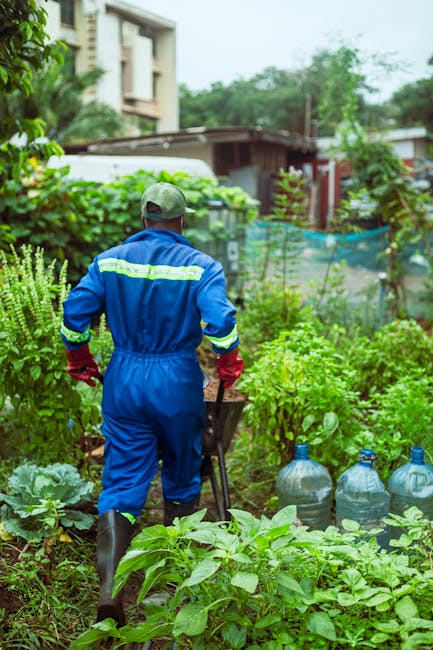
Same day gardeners in Mortlake emergency garden clearance: fast help when your garden cannot wait
If your garden has suddenly become unsafe, messy, or simply unmanageable, same day gardeners in Mortlake emergency garden clearance can be the difference between a stressful day and a calm one. Maybe a storm has scattered branches across the lawn. Maybe you have an end-of-tenancy deadline looming. Or perhaps the back garden has turned into a trip hazard after weeks of neglect. Whatever the trigger, urgent clearance is about getting things back under control quickly, safely, and without the faff.
In Mortlake, where gardens can be compact, shared, or squeezed around busy family life, speed matters. But speed on its own is not enough. You want a team that clears waste properly, works carefully around fences, sheds, patios, and planting beds, and leaves the place tidy enough that you can breathe again. This guide walks you through how emergency clearance works, what to expect, how to choose the right help, and how to avoid the mistakes that turn a quick job into a bigger one.
For a broader look at the available options, you can also explore the services overview and the dedicated garden clearance service page.
Table of Contents
- Why same day emergency garden clearance matters
- How emergency clearance works
- Key benefits and practical advantages
- Who needs this service and when it makes sense
- Step-by-step guidance
- Expert tips for better results
- Common mistakes to avoid
- Tools, resources and recommendations
- Law, compliance, standards and best practice
- Options, methods and comparison table
- Case study or real-world example
- Practical checklist
- Conclusion
- Frequently asked questions
Why Same day gardeners in Mortlake emergency garden clearance Matters
Emergency garden clearance sounds dramatic, but it often deals with everyday situations that have crossed a line. A fallen tree limb after a windy night. A hedge that has grown so far out that it blocks paths and light. A load of green waste that has piled up after a DIY project and is now attracting pests. These are not just cosmetic problems. They can affect access, safety, neighbour relations, and sometimes even your ability to use the garden at all.
To be fair, most people do not call for urgent clearance because they want perfection. They call because they need the space usable again, quickly. That could mean creating a clear route to the back gate, removing debris after a tenant move-out, or sorting a garden that has become an embarrassment just before guests arrive. You know the feeling: you glance out of the window and think, "Right, this cannot wait until next week."
In a local area like Mortlake, emergency work also has a practical side. Streets are busy, access can be tight, and a garden may back onto shared boundaries or narrow service routes. The team needs to move efficiently without causing damage or extra disruption. That is why same day response is useful only when it comes with proper planning, the right equipment, and a sensible approach to waste handling.
Expert summary: Same day garden clearance is not just about speed. The best urgent jobs combine fast arrival, safe clearance, and a clean finish so the space is usable again the same day.
How Same day gardeners in Mortlake emergency garden clearance Works
Emergency clearance usually follows a fairly simple sequence, though the exact order depends on the site and the urgency. A good team will want to understand what needs removing, how urgent the situation is, and whether there are any hazards before they set off. If there is a fallen tree, unstable structure, or sharp debris, that may change the approach straight away.
Here is the process in plain English:
- You describe the problem clearly. Mention the size of the area, the type of waste, access points, and any risks such as broken glass, heavy branches, or blocked paths.
- The scope is assessed. The team works out whether the job is a quick tidy-up, a full clearance, or a more involved job that may need extra time, tools, or a second visit.
- Arrival and safety checks happen first. In an emergency, a careful team will not just start dragging things about. They will look at the safest route, identify trip hazards, and decide what can be removed immediately.
- Clearance begins in sections. Waste is typically separated so green waste, bulky waste, and awkward materials can be handled correctly. If there are overgrown areas, the clearance may be paired with hedge trimming or tree lopping and removal.
- Final tidy-up. Once the obvious mess is gone, the team sweeps up loose debris, checks paths and access points, and leaves the area safer than it was when they arrived. That part matters, honestly.
In a normal same day job, the aim is not to redesign the whole garden. It is to restore order. If you need a larger transformation later, the emergency visit can be followed by more planned work through garden maintenance or landscaping.
Key Benefits and Practical Advantages
Fast clearance gives you more than a neat-looking garden. It can remove immediate friction from your day. That might sound small until you are stepping around piles of cut branches or trying to unlock a gate blocked by brambles. Then it feels huge.
- Immediate safety improvement. Clearing sharp, heavy, or unstable debris reduces the chance of trips, cuts, and awkward injuries.
- Better access. A usable path to sheds, bins, doors, or side returns makes the whole property easier to manage.
- Less stress. Mess has a way of getting into your head. A clean space usually helps the day feel manageable again.
- Useful for deadlines. Same day support is ideal before viewings, deliveries, inspections, tenancy changes, or family events.
- Prevents the mess spreading. Wet leaves, broken branches, and piled waste can become more difficult to deal with if left for another week or two.
There is also a practical long-term angle. When a team clears a garden properly, they often spot follow-up issues early: damaged fencing, overgrown roots, poor drainage, or areas that need routine attention. That can save time later, which is not glamorous, but it is useful. Very useful.
Who This Is For and When It Makes Sense
This service is for anyone who needs a garden sorted fast and safely. It is not limited to one kind of property or one type of problem. If anything, emergency clearance tends to be used by people who are already dealing with enough, and need one practical task handled without delay.
Common situations include:
- homeowners dealing with storm damage or sudden overgrowth
- landlords preparing a property for new tenants
- tenants trying to return a garden in respectable condition before checkout
- older residents who cannot safely clear heavy waste themselves
- busy families who have no spare time for a full weekend of clearing
- people organising a garden event, sale, or property viewing at short notice
It also makes sense if the garden has become awkward rather than merely untidy. A few weeds is one thing. A collapsed heap of green waste, slippery paths, broken pots, and overhanging growth is another. If you are asking yourself whether it counts as "emergency", the answer is often simple: if it is causing risk, blocking use, or creating a hard deadline, it probably does.
For regular upkeep after the urgent work is done, it can help to look at lawn mowing and ongoing seasonal care. A cleared garden is much easier to keep under control than one that has been left to build up for months. That part is just gardening reality.
Step-by-Step Guidance
If you are arranging urgent clearance for the first time, a clear sequence helps. Panic tends to make people over-explain or under-explain, and neither is ideal. Keep it simple and factual.
- Walk the garden and note the problem areas. Make a quick mental list: fallen branches, blocked access, weeds, hedge overflow, broken items, or waste bags.
- Take a few photos if possible. Even basic phone pictures help the team understand the scale before they arrive. A picture of a garden can say more than three nervous paragraphs.
- Clear the access route. Move cars, bins, or anything that may block entry. If side access is narrow, make sure it is unlocked and safe to use.
- Separate anything sensitive. If there are items you want kept, such as planters, furniture, or tools, place them somewhere obvious so they are not accidentally included.
- Be clear about hazards. Mention hidden nails, unstable walls, pets, poor lighting, or broken glass. This is one of those times where extra detail helps a lot.
- Confirm what "clearance" means for your job. Some jobs need only waste removed. Others need cutting back, bagging, loading, sweeping, and a final tidy.
- Ask about disposal and recycling. Good practice is to deal with waste responsibly, not just dump it. If sustainability matters to you, check the company's approach to recycling and sustainability.
- Review the finish before the team leaves. Look for missed debris, check access points, and make sure the space is safe to walk through.
A small but important point: if the job includes structural concerns, large tree limbs, or anything that looks unstable, do not try to "just move it yourself" first. That is how quick jobs become mishaps. Not worth it.
Expert Tips for Better Results
After enough urgent jobs, a few patterns become obvious. The best outcomes usually come from people who are prepared, honest about the mess, and willing to let the team work methodically rather than rushing every last second.
- Describe the worst area first. Start with the issue that is most dangerous or most urgent, not the one that is easiest to explain.
- Ask what equipment may be needed. Heavy branches, dense growth, and damp waste can change the job quite a bit.
- Keep pets and children away from the work zone. Simple advice, but it makes the whole job smoother and safer.
- Pair clearance with another quick service if appropriate. A hedge that is hanging into a path may need trimming; a lawn buried under debris may need attention afterwards.
- Think about what happens after the clearance. If the garden is left bare and vulnerable, you may want a follow-up plan, even if it is only basic maintenance.
One practical tip that often gets missed: ask for a realistic finish, not an idealised one. On a same day call-out, the goal is a safe and tidy result. If the space also needs styling, replanting, or bigger changes, that belongs in a later plan with landscape gardening or broader landscaping.
And yes, sometimes the most expert move is simply not making it harder than it needs to be.
Common Mistakes to Avoid
Urgent situations make people act fast, which is understandable. But a few common mistakes can turn a straightforward job into a frustrating one.
- Hiding the scale of the problem. If the garden is more like a jungle than a tidy border, say so. Understating the mess can cause delays.
- Forgetting access issues. A side passage, locked gate, or narrow entry can affect how quickly a team can work.
- Assuming all waste is the same. Green waste, mixed waste, timber, and broken hard materials may need different handling.
- Leaving fragile items in the working area. Pots, ornaments, and tools get damaged easily during a fast clearance.
- Not checking the final result. A quick look at the end saves a lot of "oh no, they missed that corner" moments later.
Another one, and this happens more than people admit: booking a same day job but expecting the full project to be completed to a showroom standard. In truth, emergency clearance is often the first step. If you want the garden to look finished finished, you may need follow-on work, maybe even a bit of decking services or ongoing care later on.
Tools, Resources and Recommendations
For a proper emergency clearance, the exact tools depend on the job, but you will usually see a combination of hand tools, cutting tools, bags, protective gear, and equipment for lifting or loading waste. The point is not the kit itself. It is using the right kit without making the garden look like a battlefield.
| Task | Typical approach | Why it helps |
|---|---|---|
| General clutter removal | Bagging, sorting, and loading mixed debris | Keeps the site organised and speeds up disposal |
| Overgrown borders | Cut back, gather, and remove cuttings | Restores access without damaging nearby plants |
| Storm debris | Remove broken branches and check for hazards | Reduces trip risks and prevents further damage |
| Heavy or awkward waste | Manual handling with safe lifting practice | Protects the team and avoids property damage |
| Post-clearance tidy | Sweep, collect loose pieces, and inspect access points | Leaves the area safe and ready to use |
If your garden is repeatedly getting out of hand, it may be worth planning a maintenance routine rather than waiting for the next emergency. You can keep the workload lighter with regular garden maintenance, selective hedge trimming, and seasonal grass care. Small, regular jobs are far easier on the nerves.
Law, Compliance, Standards and Best Practice
Garden clearance involves practical responsibility as much as physical work. In the UK, you should expect proper care around waste, safe handling practices, and sensible attention to boundaries, shared access, and property condition. The details can vary by job, but the overall standard is straightforward: the work should be carried out safely, with respect for the property and the people around it.
There are a few best-practice points worth keeping in mind:
- Waste should be handled responsibly. Mixed rubbish and green waste should not simply be left in a pile for later.
- Public and private access should stay clear. If the work affects a path, side return, or shared route, it should be managed carefully.
- Protective equipment matters. Gloves, eye protection, sturdy footwear, and safe lifting habits are all part of sensible working practice.
- Insurance and risk awareness are important. If heavy branches, sharp objects, or awkward access are involved, you want a company that treats safety seriously.
If you are comparing providers, it is worth looking at their approach to insurance and safety and the detail in their health and safety policy. Those pages may not be exciting reading over a cup of tea, but they do tell you a lot about how seriously the company takes the work. Likewise, if payment terms matter before you book, reviewing payment and security and terms and conditions is sensible.
For many readers, the main takeaway is simple: emergency clearance should be fast, yes, but not careless. There is a difference, and it is a big one.
Options, Methods and Comparison Table
Different garden problems call for different levels of response. A full storm cleanup is not the same as a rushed pre-viewing tidy. Understanding the options helps you book the right kind of help instead of paying for more than you need, or worse, not enough.
| Approach | Best for | Strengths | Limitations |
|---|---|---|---|
| Same day emergency clearance | Immediate hazards, deadline pressure, sudden mess | Fast response, quick safety improvement, practical relief | May focus on urgent priorities rather than every detail |
| Planned garden clearance | Known jobs with more flexibility | More time to organise, potentially broader scope | Not suitable when you need the space cleared today |
| Routine maintenance | Ongoing control of growth and waste | Prevents bigger problems developing | Not enough for sudden heavy buildup or storm damage |
| Combined clearance and trimming | Overgrowth blocking paths or access | More complete reset of the space | May take longer than a basic clear-out |
If you are unsure which approach fits, ask yourself one blunt question: do I need this garden usable right now, or do I just want it improved soon? That distinction saves time. A lot of time.
Case Study or Real-World Example
Picture a typical late afternoon in Mortlake after a blustery spell. A homeowner looks out and finds half the lawn covered in broken twigs, leaf litter, and a few heavier branches that have come down from the boundary side. The path to the side gate is cluttered, the bins are hard to reach, and there is no way the garden is ready for visitors the next day.
In that kind of situation, the job is not to reimagine the whole outdoor space. It is to make it safe and usable again. A same day team would usually start by checking the most obvious hazards, then remove the larger debris first so the route is clear. Once the heavy pieces are out, they can gather smaller cuttings, sweep up the paths, and check whether any hedging or nearby branches need light trimming to stop the same issue recurring immediately.
That sort of job feels different once it is done. The smell of fresh-cut greenery, the relief of seeing the patio again, and the simple ability to walk through the garden without watching your feet every second - those things matter. Not glamorous, but real.
And if the clearing reveals a bigger issue, such as persistent overgrowth or tired planting beds, that is usually the moment to plan the next phase through a longer-term service rather than trying to force it all into one urgent visit.
Practical Checklist
Before the gardeners arrive, run through this checklist. It keeps the visit efficient and reduces the chance of avoidable delays.
- Confirm the access route is open and safe.
- Take a quick look for sharp objects, broken glass, or unstable items.
- Move personal items, toys, and anything fragile out of the work area.
- Photograph the main problem spots if that helps you explain the job.
- Be ready to point out what must stay and what can go.
- Ask whether waste will be sorted and removed responsibly.
- Check if related work, such as trimming or mowing, should happen at the same time.
- Keep pets and children away until the work is complete.
- Walk the area after clearance and check that access is genuinely clear.
- Make a note of any follow-up maintenance you want later.
Quick takeaway: the smoother you make the access and communication, the faster the team can focus on the actual clearance. That part is often half the battle.
If you are ready to sort the problem properly, the best next step is to review the full service details, compare what you need, and then get a straightforward quote through the company's usual booking route.
Get a free quote today and see how much you can save.
Conclusion
Same day gardeners in Mortlake emergency garden clearance is ultimately about getting your outdoor space back to a safe, workable state without dragging the problem out for days. It helps when a garden has slipped from "a bit messy" into "we need this handled now." The right team will be fast, tidy, careful, and realistic about what can be achieved in a single visit.
If you remember only one thing, make it this: urgency should never cancel out care. The best emergency clearance feels calm, organised, and surprisingly relieving by the time the last branch is loaded and the path is clear. That sense of order coming back? It really does lift a weight.
Frequently Asked Questions
What counts as an emergency garden clearance?
Anything that creates immediate safety risk, blocks access, or needs to be cleared before a deadline can count as an emergency. Fallen branches, heavy storm debris, overgrown access paths, and urgent move-out clearances are common examples.
Can same day gardeners in Mortlake really come out on the day?
Often, yes, if the schedule allows and the job can be safely assessed and completed within the available time. The best chance of a same day visit comes when you contact the team early and describe the problem clearly.
Is emergency garden clearance different from normal garden clearance?
Yes. Normal clearance is usually planned in advance, while emergency clearance is focused on speed, safety, and immediate usability. The scope may be narrower, but the response is faster.
What should I tell the gardener before they arrive?
Explain the type of waste, how much needs removing, whether there are any hazards, and how access works. Photos are helpful too. The more accurate the picture, the smoother the visit.
Will the team remove green waste and mixed rubbish?
That depends on the specific job and the provider's waste-handling approach. It is best to mention the mix upfront so the right equipment and plan can be used.
Do I need to clear the garden before the gardeners get there?
No, not usually. In fact, the whole point is that they help with the mess. It does help to move valuables, open access gates, and keep pets and children away from the work area.
How long does emergency clearance usually take?
It varies a lot. A small urgent tidy may be finished quickly, while storm debris, dense overgrowth, or awkward access can take longer. A clear description of the job is the best way to get a realistic expectation.
What if the garden has overgrown hedges or tree branches too?
Those issues often go hand in hand with clearance. Related services such as hedge trimming and tree lopping and removal may be useful if the growth is part of the problem.
How do I know if a company is safe and reliable?
Look for clear information about insurance, safety practice, payment terms, and complaints handling. Pages like insurance and safety and complaints procedure can give useful reassurance.
Is emergency clearance expensive?
Costs depend on access, waste volume, urgency, and the amount of labour required. It is usually better to ask for a clear quote rather than guess. That way, you can compare the cost against the time and stress saved.
Can emergency clearance be combined with longer-term garden work?
Yes, and that is often the smartest route. Once the immediate problem is removed, you can plan follow-up care such as garden maintenance, mowing, or even broader landscaping improvements.
What happens to the waste after clearance?
Good practice is for waste to be sorted and handled responsibly rather than dumped carelessly. If sustainability matters to you, it is worth checking the provider's approach to recycling and disposal before you book.